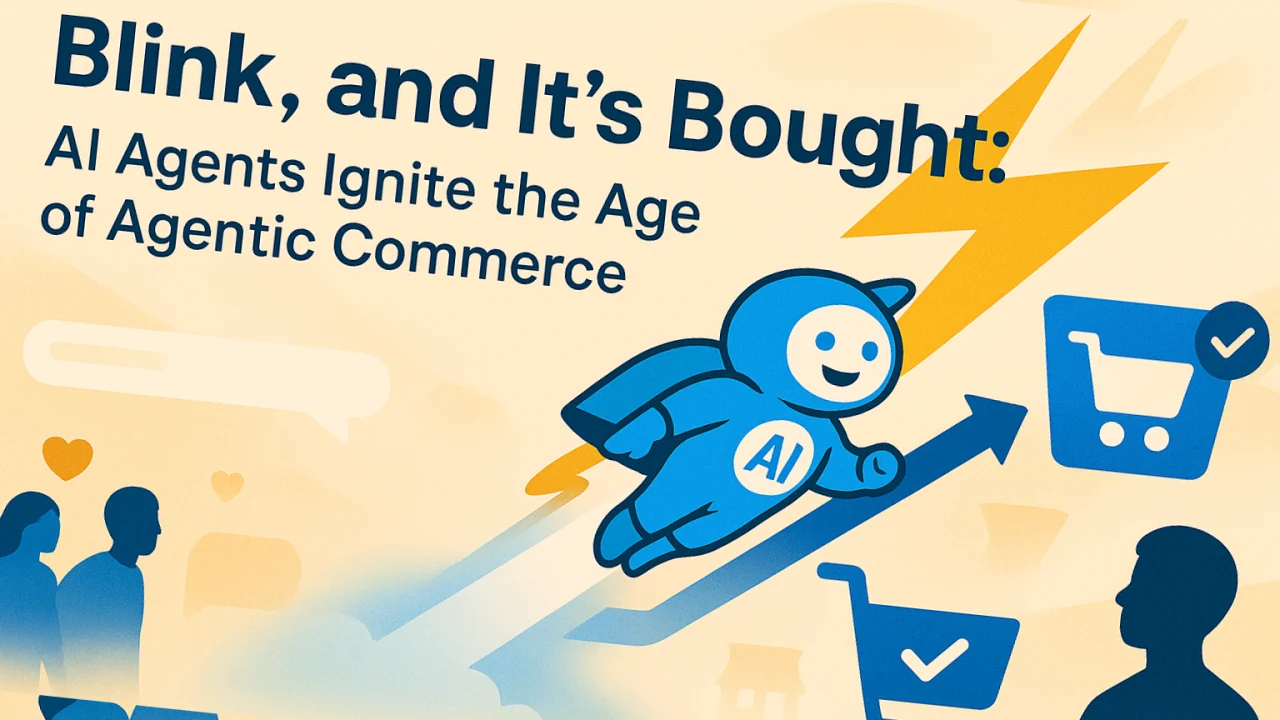
Blink, and it’s bought. That sci-fi scenario – an AI instantly finding and purchasing what you need – became remarkably real over the past week. In a span of five days, Google demoed a search assistant that can autonomously check out your shopping cart , conversational search engine Perplexity integrated PayPal to let its chatbot complete purchases mid-query , and Amazon began testing a “Buy for Me” AI that shops across the web on your behalf . These announcements may seem disparate, but together they tell one story: the era of Agentic Commerce is suddenly upon us.
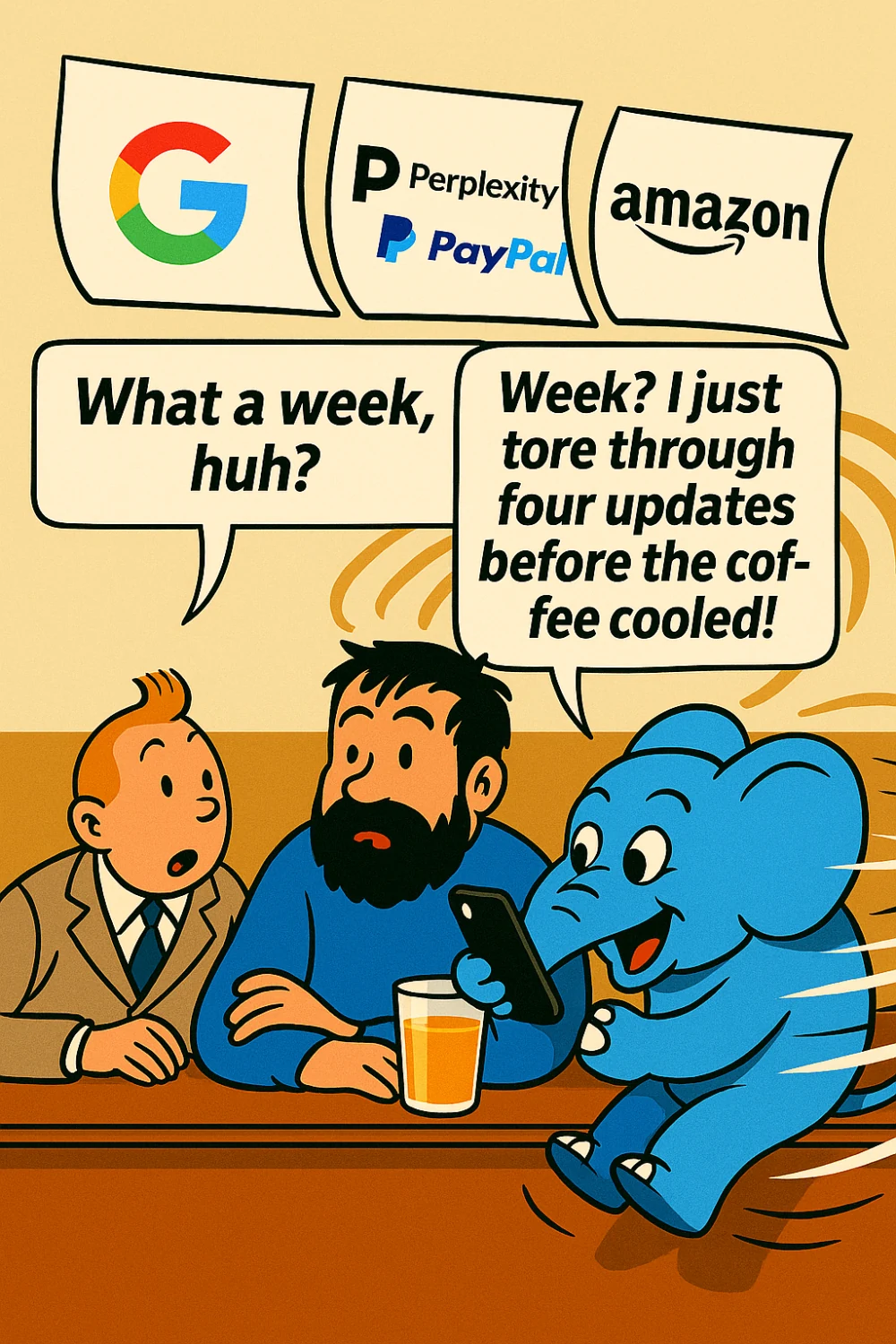
The 5-Day AI Shopping Sprint:
One after another, tech giants unveiled features that blur research and checkout. Google’s I/O conference showed off an agentic checkout tool (a chatbot that not only finds products but buys them with your permission) . Perplexity’s AI now has a “Pay Now” button – integrating PayPal and Firmly.ai to pave a direct path from question to purchase . And not to be outdone, Amazon’s new “Buy for Me” beta will even search other websites and place orders if the item isn’t on Amazon . In short, multiple major players simultaneously pushed shopping agents from theory to practice.
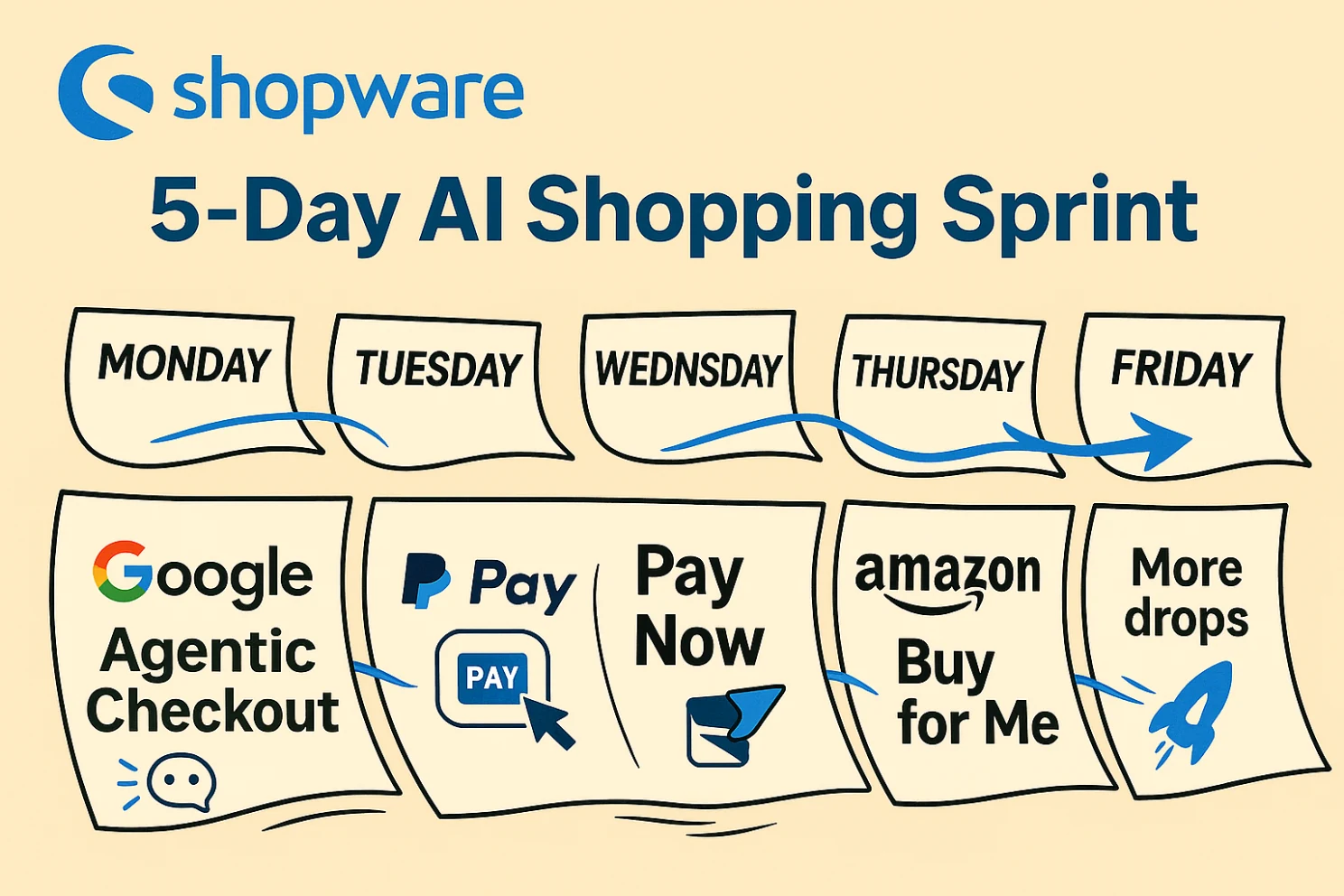
Interfaces Become Agents:
These developments highlight a wider tech shift: our familiar interfaces are turning into autonomous agents. Your search bar, chat app, or voice assistant is no longer just showing options – it’s starting to take action on your behalf. The old paradigm was clicking through pages; the new one is stating your need and letting an AI handle the legwork, from product research to payment. The traditional e-commerce funnel of awareness → consideration → checkout is compressing into a single decision loop executed by an AI. As Stefan noted in a recent article, “discovery and checkout now happen in the same half-second reasoning burst… the old funnel is gone; what’s left is a single ‘thought-chain’ before money changes hands” . In this new world, convenience isn’t just king – it’s automated.
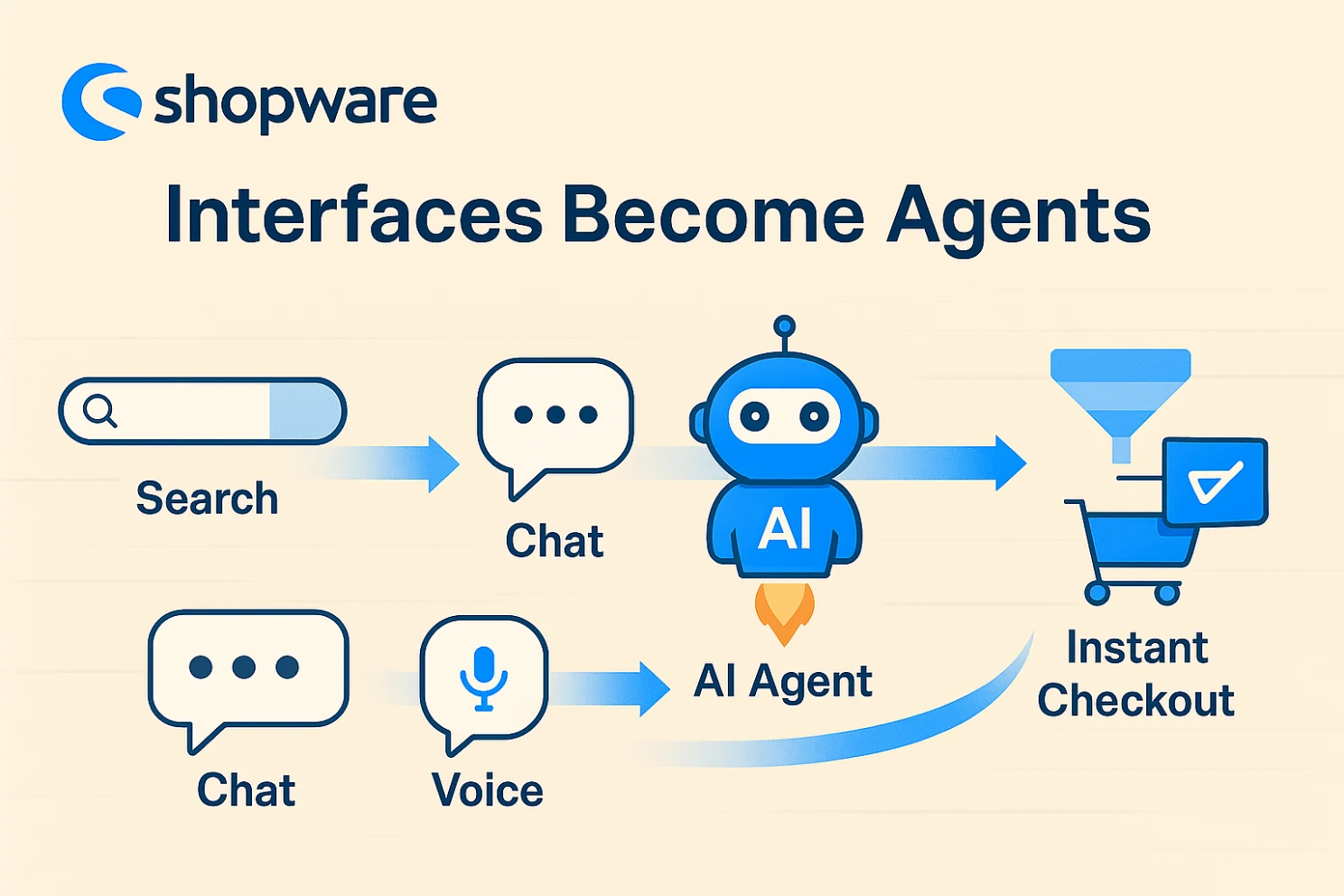
Memory-Driven Personalization:
A powerful (and overlooked) implication of agentic shopping is personalization on steroids. These AI agents aren’t starting each shopping session from scratch; they remember your preferences, sizes, past purchases, and even your values. Tell your agent once that you prefer sustainable materials or that you’re a size 42, and every future recommendation already factors that in. The result is deeply personalized shopping experiences driven by your own data, not just what a retailer’s site remembers. Unlike siloed retail loyalty programs or cookie-based suggestions, the AI agent travels with you across platforms, learning with every interaction. Commerce becomes less about generic funnels and more about your agent orchestrating a one-to-one, memory-informed journey just for you. This raises the bar for customer experience – and means businesses must consider how to become the choice of someone’s personal AI assistant.
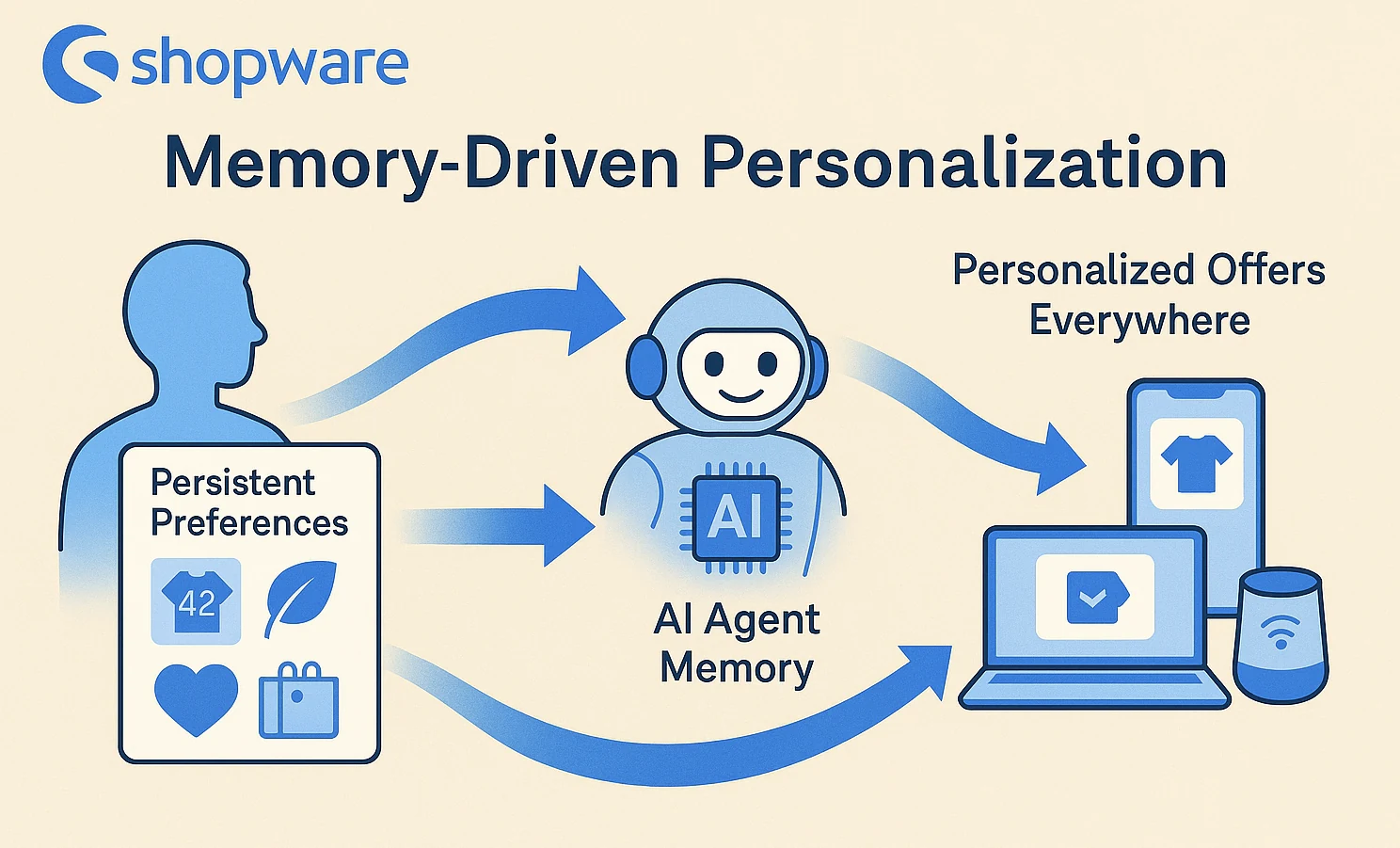
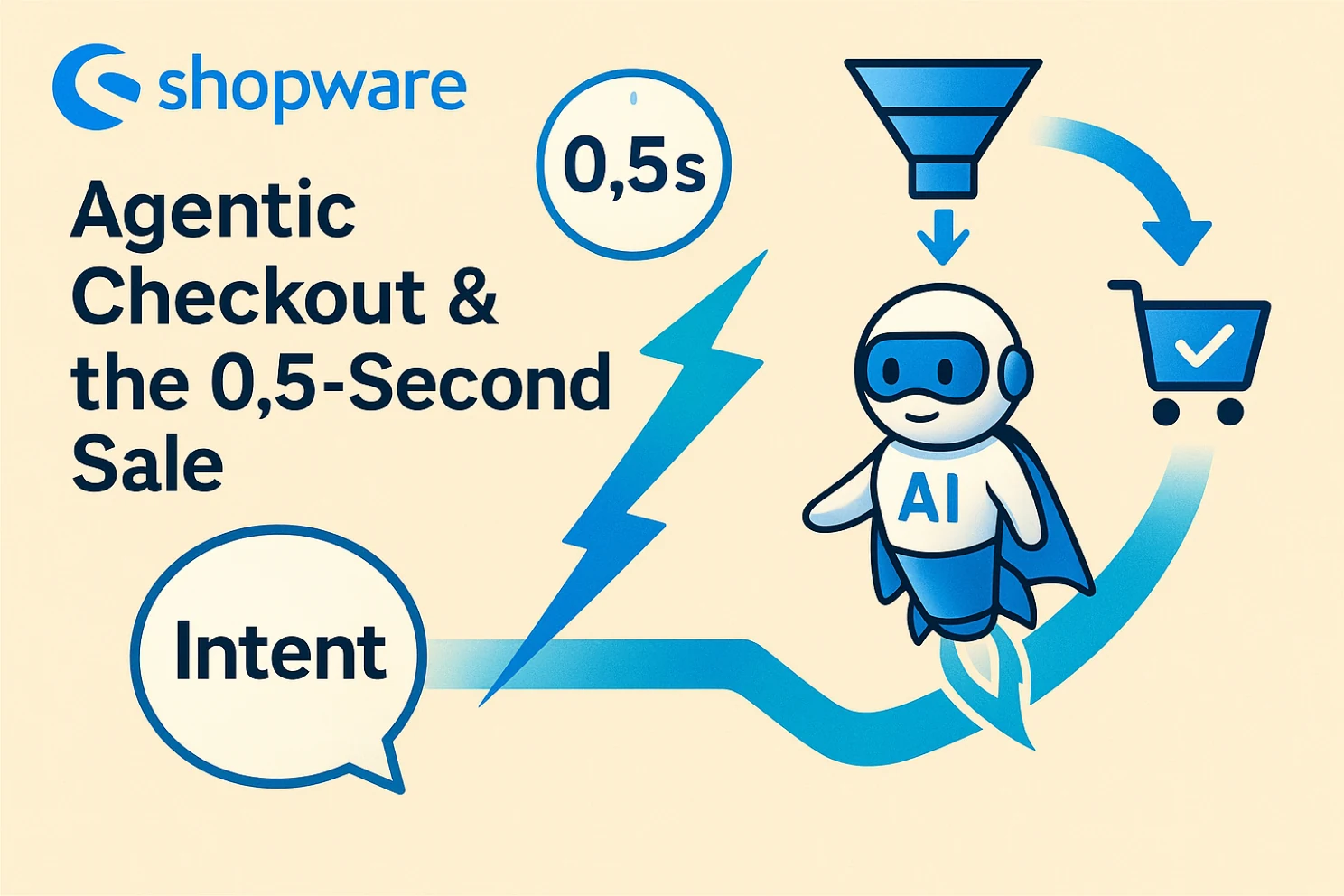
Agentic Checkout & the 0.5-Second Sale:
When an AI can execute a purchase the moment you express intent, the speed of commerce accelerates dramatically. The notion of a “customer journey” shrinks to a split-second decision by an algorithm. We’re entering the age of the half-second sale, where an AI agent might move from first query to completed order in the time it takes to blink . This compression of the funnel flips many established practices on their head. Marketing and UX can no longer assume a leisurely path of persuading the customer; the AI will vet specs, compare prices, check reviews, and pick the winner in one go. It’s a thought-chain, not a click-chain. For merchants, this means the old playbook (SEO, ad retargeting, glossy product pages) must adapt. If your product data isn’t accessible to AI or your offering doesn’t stand out in machine-readable terms, you may never even appear in that half-second decision window. The new optimization is about appealing to algorithms – ensuring your inventory, prices, and unique selling points are transparent and compelling to an AI agent scanning for the best option.
Battle of the Shopping Agents:
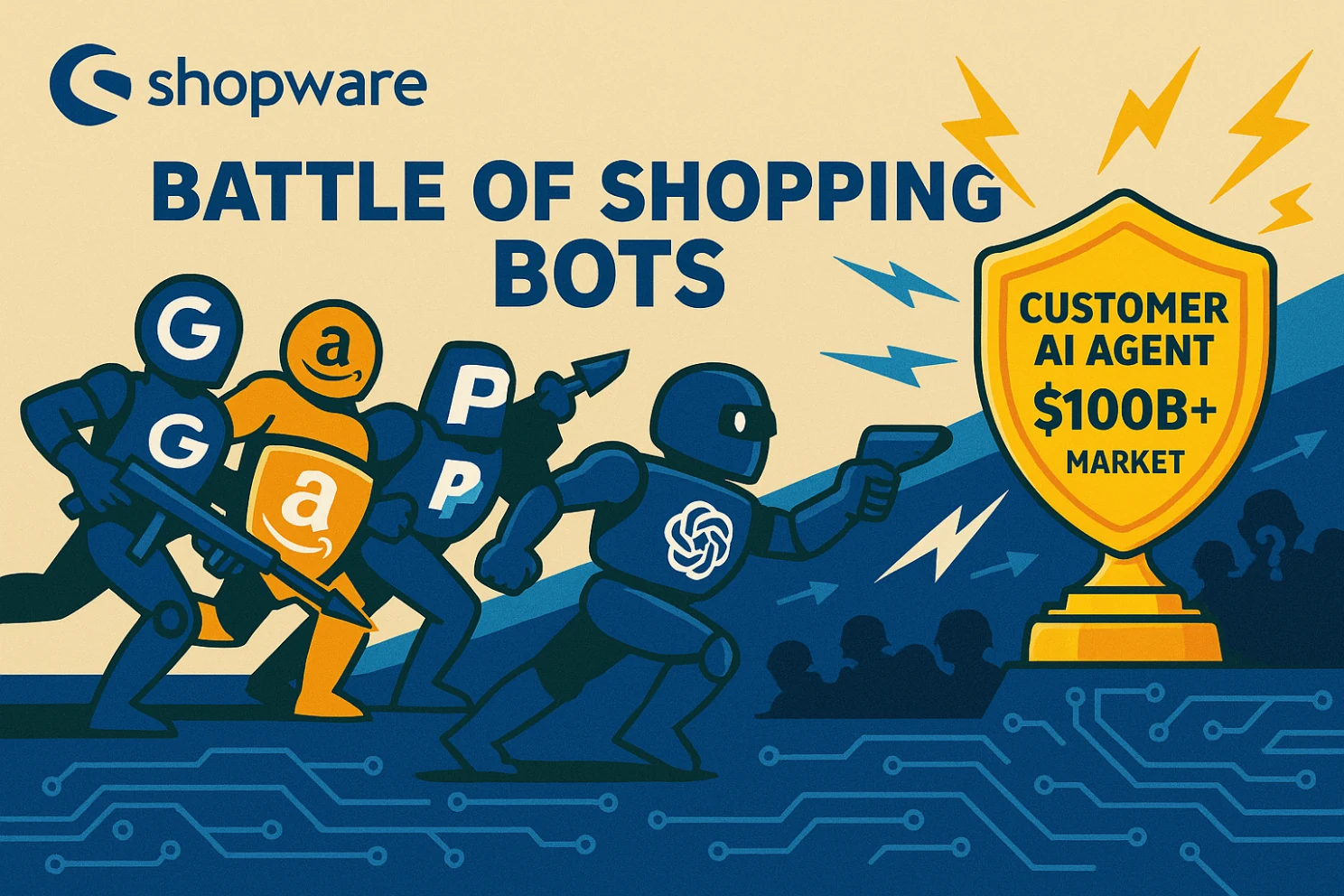
There’s a strategic land grab under way for who owns the customer’s AI agent. Every platform – search engines, marketplaces, even payment providers – “wants to be part of the process all the way from research phase to checkout” . Why? Because if consumers hand over the steering wheel to an autonomous shopping assistant, the one who provides that assistant wields enormous power. It’s not just Google versus Amazon versus OpenAI in a feature race; it’s a contest to become the trusted intermediary for millions of shoppers. If your interface becomes the go-to agent, you effectively become the new storefront for everything. This explains the flurry: each company is positioning to make their AI the shopper’s delegate. For example, Amazon’s move keeps you inside its ecosystem even when buying off-Amazon , while Google’s vision injects purchasing into search results before you ever click a retailer’s site . The stakes are huge – it’s a fight to mediate (or even control) the demand side of commerce. We should expect rapid innovation (and likely some turf wars) as these “agentic” platforms try to lock in user trust. For consumers, it could mean unprecedented convenience. For businesses, it may redefine customer acquisition: tomorrow’s customers might arrive via AI referrals, not traditional web traffic.
Implications for Brands & Retailers:
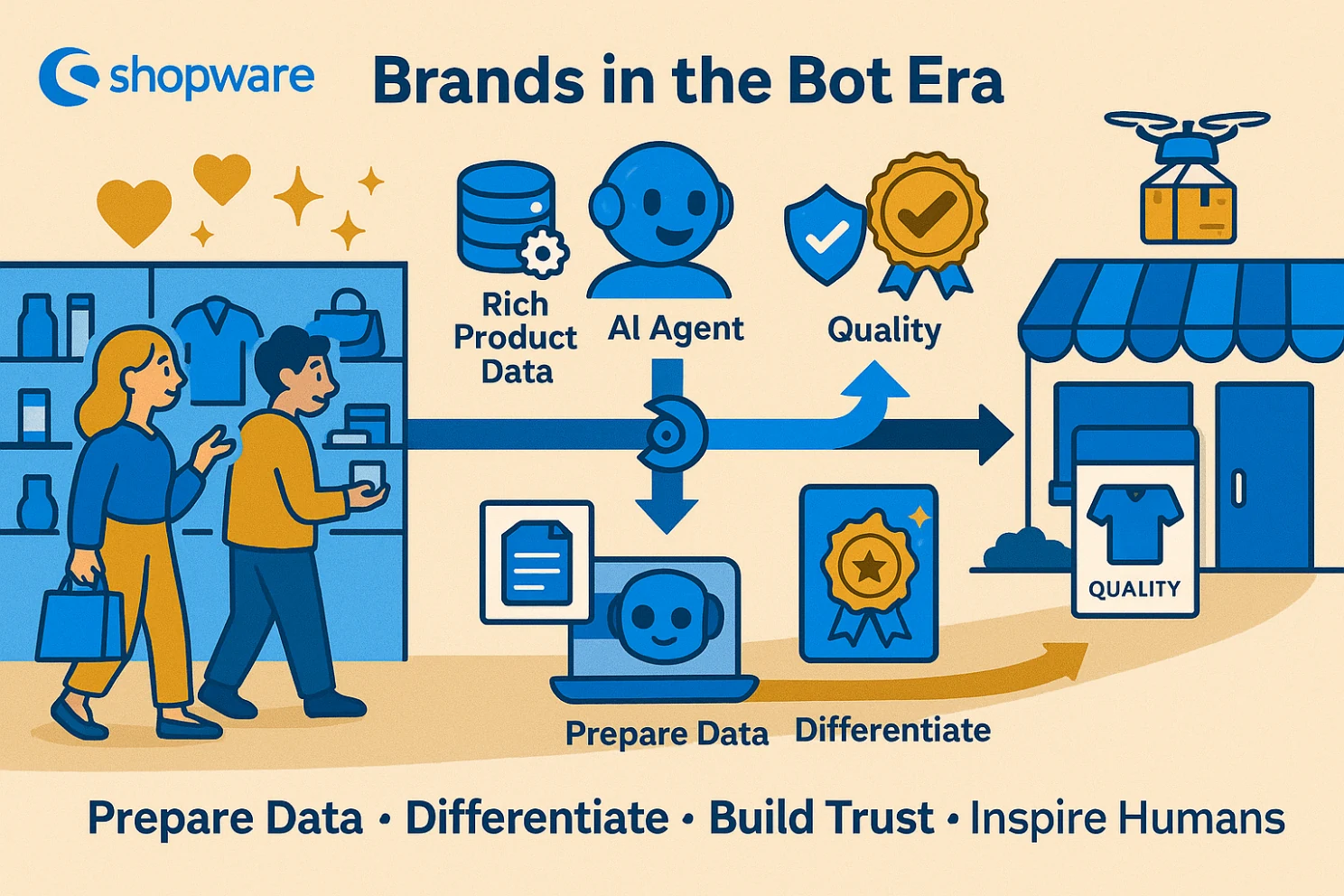
If you’re an e-commerce leader, this agentic shift isn’t just tech news – it’s a call to action. First, make your data agent-friendly: AI shoppers need rich, structured data (product specs, real-time stock, shipping promises) to make informed choices. Ensuring your store’s data is accessible via APIs or feeds will be key, so that an agent considering 10 options sees why your product stands out. Second, double down on uniqueness and trust. As autonomous bots filter choices, they’ll ignore commodity products or sketchy sellers in favor of clear quality or unique value . Cultivate product attributes or guarantees that an algorithm can recognize as exceptional (e.g. exclusive designs, superior reviews, fastest delivery). Third, be ready for an era of volatile, bot-driven traffic – and perhaps fewer chances to personally charm shoppers. Your brand storytelling and community-building still matter, but they might happen “upstream” (to influence human preference) while the final transaction is handled by the AI. In practical terms, experimenting with agentic commerce is wise: try integrating with emerging platforms (for instance, is your catalog compatible with ChatGPT plugins or shopping APIs? Can you pilot a voice-commerce agent for your own store?). At the very least, start thinking of the AI assistant as a new customer segment – one that’s hyper-rational, speed-obsessed, and immune to traditional ads. Preparing for that now will separate the brands who thrive in the bot era from those who fade into algorithmic obscurity.
Integration Tip (Cheat Sheet & Event):
For those eager to get ahead of this shift, we’ve distilled an Agentic Commerce Cheat Sheet – a 25-page quick-read with diagrams, KPIs, and a one-week action plan to start adapting today. Consider it your playbook for the half-second shopping era.
And if you want to see agentic commerce in action, join us at Shopware Community Day 2025, where AI and Agentic Commerce take center stage. We’ll be unpacking these trends live.